



Table of Contents
ToggleTwo product business owners. Similar size. Similar complexity. Both searched for a bookkeeper near me and hired someone within the month.
Twelve months later, one of them knows their gross margin by product line, closes their books in seven days, and walks into their bank review with clean, confident numbers. The other is still reconciling last quarter, still guessing which SKUs make money, and just found out their COGS has been miscalculated for eight months.
Same search. Completely different outcomes.

The difference was not the budget. Many businesses searching for a bookkeeper near me do not realise that inventory expertise is a specialist skill. It was not the location. It was knowing what an expert inventory bookkeeper actually needs to be able to do before making the hire. Inventory bookkeeping is not standard bookkeeping with a few extra steps. It is a specialist discipline that covers landed cost allocation, COGS accuracy, inventory valuation under IRS guidelines, and keeping your inventory platform in sync with your accounting software month after month.
Most bookkeepers are not built for this. The ones who are will tell you exactly how they handle it. This guide shows you what to listen for.
Why "Bookkeeper Near Me" Searches Often Lead to the Wrong Hire
When you search for a bookkeeper near me, the results are ranked by proximity and reviews. Neither of those tells you what you actually need to know.

The local bookkeeper with 50 five-star reviews may be excellent at what they do. They probably handle service businesses, retail shops, or solo operators with clean, straightforward books. Their workflow is built around invoices, expenses, and bank reconciliation. That works perfectly for a law firm or a marketing agency.
It does not work for a business that imports 300 SKUs from three countries, sells across Amazon, Shopify, and B2B wholesale accounts, and needs to know its real gross margin by product at the end of every month.
Inventory bookkeeping is a specialised discipline. Under IRS Publication 538 and FASB ASC 330, businesses that hold inventory must apply a consistent valuation method, whether that is FIFO (First In, First Out), LIFO (Last In, First Out), or weighted average cost. Each method produces a different profit figure for the same business. Each has different tax implications. A generalist bookkeeper may not even know which method your business uses, let alone whether it is applied correctly.
Beyond valuation, there is the question of systems. A product business typically runs an inventory management platform alongside its accounting software. When those two systems fall out of sync, you end up with stock values that differ by tens of thousands of dollars and no clear way to reconcile them. That is not a technology problem. It is a bookkeeping problem. And it is one that a generalist bookkeeper near me is rarely equipped to solve.
So before you hire based on location, understand what the job actually requires and what specialist inventory bookkeeping actually looks lik
5 Things Successful Businesses Look For in an Expert Inventory Bookkeeper
The best inventory bookkeeper is not the one with the nicest website or the lowest monthly rate. Successful US distributors and manufacturers consistently look for these five things when they hire. They do not make a final decision until every one of these is confirmed. That discipline is what separates businesses with clean, trustworthy books from those that spend every month-end firefighting.

1. Deep Understanding of Cost of Goods Sold (COGS)
COGS is not just the purchase price of your product. For a US importer or manufacturer, it includes freight-in, customs duties, insurance, and inspection fees. These are called landed costs, and getting them wrong silently destroys your gross margin. An expert inventory bookkeeper knows how to capture every cost component and allocate it accurately to the correct inventory unit before it hits your income statement. This is non-negotiable for any product business that wants to trust its own numbers.
2. Experience Connecting Inventory Systems to Accounting Software
Your inventory platform and your accounting software need to stay in sync at all times. When they do not, you get double-counted stock, incorrect COGS entries, and a month-end reconciliation that takes weeks instead of days. An expert inventory bookkeeper understands exactly how data flows between platforms like Cin7 and QuickBooks Online. They know what breaks, why it breaks, and how to prevent it from happening again.
3. Genuine Industry Experience
A bookkeeper who has worked with food distributors understands lot tracking and expiry dating. One who has worked with apparel importers understands duty drawback and seasonal returns. Industry experience is not a bonus. It cuts your onboarding time in half and prevents expensive errors in the first 90 days of the engagement. When you search for an inventory bookkeeper near me, ask specifically what industries they have served and for how long.
4. The Ability to Produce Decision-Useful Reports
Your books should answer real questions. What is your gross margin by product line? Which SKUs are consistently underperforming? How many days of stock do you have on hand right now? A strong bookkeeper does not simply close the month and send a P&L. They structure your reporting so you can make faster, better-informed decisions on pricing, reordering, and cash flow.
5. Proactive Communication
If your inventory value jumps 25% in a single month with no explanation, your bookkeeper should bring that to you before you notice it yourself. The best inventory bookkeeper functions as part of your financial team. They flag anomalies, ask questions when something looks off, and keep you informed between monthly closes. Reactive bookkeepers process data. Proactive ones protect your business.
What Successful US Product Businesses Actually Need vs. What They Usually Get
Most product business owners only discover this gap after a costly hire. They bring on a bookkeeper near me, things seem fine for a few months, and then the cracks appear at tax time or during a bank review.
The issue is not dishonesty. It is a skills mismatch that neither party spotted during the hiring process. The bookkeeper did not know what they did not know, and the business owner did not know what questions to ask. Understanding this gap clearly is the first step toward closing it.
| What They Need | What They Usually Get |
|---|---|
| Landed cost allocation per SKU | Simple purchase price recording |
| Monthly inventory reconciliation | Quarterly catch-up entries |
| COGS mapped to the correct accounting period | COGS recorded when paid, not when sold |
| Integration oversight between Cin7 and QBO | Manual journal entries every month |
| Gross margin reporting by product | A P&L with a single revenue line |
| IRS-compliant inventory valuation method | No consistent method applied |
Each row in that table represents a real financial risk. Incorrect COGS directly affects your taxable income. Inconsistent inventory valuation is an audit exposure. And a P&L with one revenue line tells you almost nothing useful about which parts of your business are actually profitable. The IRS Publication 538 is explicit about how product businesses must account for inventory.
Red Flags to Watch For When Evaluating an Inventory Bookkeeper
Not every bookkeeper who markets themselves as an inventory bookkeeper near me has the skills to back it up. Some have handled one or two product clients. Others have watched a few tutorials and added the term to their profile. Knowing what to watch for protects you from a hire that looks good on paper but fails in practice.
These red flags are worth treating seriously. A wrong hire in bookkeeping does not just waste your money. It produces months of inaccurate data that takes time and cost to correct.

No Clear Answer on How Landed Costs Work: This is a foundational concept for any product business. If they hesitate, give a vague answer, or ask you to explain it to them, move on.
Zero Experience With Inventory Management Systems: QuickBooks alone is not enough for a distributor or manufacturer. If their entire background is in QBO or Xero without a connected inventory platform, your complexity will overwhelm them quickly.
A Flat Monthly Rate Is Quoted Without Asking About SKU Count or Transaction Volume: Inventory bookkeeping cost should scale with complexity. A flat rate offered without question usually signals a generalist who does not fully understand what the job involves.
Vague or Incorrect Answers About Inventory Valuation Methods: FIFO and LIFO produce different profit numbers for the same business. Your bookkeeper must know which method you use, why you use it, and what it means for your annual tax position.
Entirely Reactive Communication: If the only time you hear from them is when you send a question, that pattern will not serve a product business. An expert inventory bookkeeper reviews your numbers regularly and surfaces issues before they compound.
What Are The Right Tools an Expert Inventory Bookkeeper Should Know
The best inventory bookkeeper does not just know accounting. They know the technology stack that modern US product businesses run on. In 2026, that stack is more connected than ever, and a bookkeeper who is not fluent in these tools will create more manual work, not less.
When you are evaluating an inventory bookkeeper near me or considering a remote specialist, ask directly about their experience with each of these platforms. Their answers will tell you quickly whether they are qualified for your business or not.
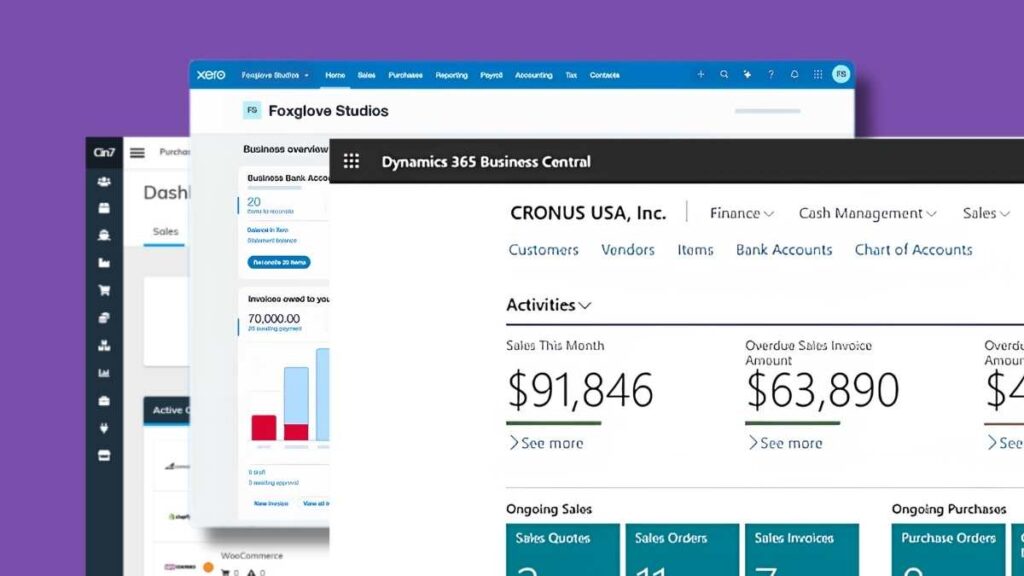
Inventory Management Platforms
- Cin7 – Widely used by US distributors and manufacturers handling multi-channel, multi-warehouse operations
- Fishbowl – Popular with manufacturers who run QuickBooks as their accounting platform
- Unleashed – Strong choice for B2B wholesalers with complex pricing structures
Accounting Software
- QuickBooks Online – The dominant platform for US small and mid-market product businesses
- Xero – Growing fast among mid-market distributors who need cleaner reporting
- NetSuite – For businesses above $20M that need more advanced multi-entity or multi-currency reporting
Supporting Tools
- A2X – automates Amazon and Shopify settlement reconciliation directly into QBO or Xero
- Dext – streamlines purchase invoice capture, coding, and approval workflows
- Fathom – converts accounting data into management dashboards your leadership team can actually use
An expert inventory bookkeeper does not just recognize these names. They know how to configure them correctly for your specific business structure. They know where the integrations break and how to prevent them. If your current bookkeeper has never used A2X and you sell on Amazon, that is a meaningful and costly gap
Final Thoughts
At VNC Global, businesses gain access to experienced inventory bookkeeping professionals who understand the challenges of product-based companies.
Whether managing retail operations, wholesale distribution, manufacturing, or eCommerce businesses, the team helps deliver accurate financial reporting, inventory visibility, and decision-ready insights.
Schedule a FREE 30-minute consultation with VNC Global and discuss your business challenges with an inventory bookkeeping specialist.
Or Visit: https://www.vncglobal.com/
Frequently Asked Questions
Prioritise industry experience and technical skills over location. Look for a bookkeeper who understands landed costs, COGS allocation, and the software your business uses, such as Cin7 or QuickBooks Online. A specialist with remote experience will consistently outperform a local generalist for a product-based business.
If your inventory system and accounting software show different stock values, your month-end close takes longer than two weeks, or you cannot identify your gross margin by product, you have outgrown a generalist. You need an expert inventory bookkeeper who is built specifically for this type of work.
Most US product businesses use FIFO because it reflects current market costs and is straightforward for IRS compliance. Some businesses use LIFO for tax deferral advantages, though LIFO is not permitted under international standards. Your bookkeeper should apply a consistent method and document it clearly each year.
Yes. Most expert inventory bookkeepers work remotely using cloud platforms like QuickBooks Online, Cin7, and Xero. What matters is their knowledge of inventory accounting and their experience with your industry, not their physical location.
For a $5M to $30M distributor or manufacturer, expect monthly fees between $1,500 and $5,000 for a specialist service. Be cautious of unusually low flat rates offered without questions about your transaction volume or SKU count. They almost always signal a generalist underestimating your complexity.
VNC Global works exclusively with manufacturers and distributors in the $5M to $30M revenue range. The team handles inventory reconciliation, COGS accuracy, landed cost allocation, and full integration between platforms like Cin7 and QuickBooks Online. Book a free 30-minute consultation at vncglobalgroup.com.